
Addis Ababa
National Museum of Ethiopia
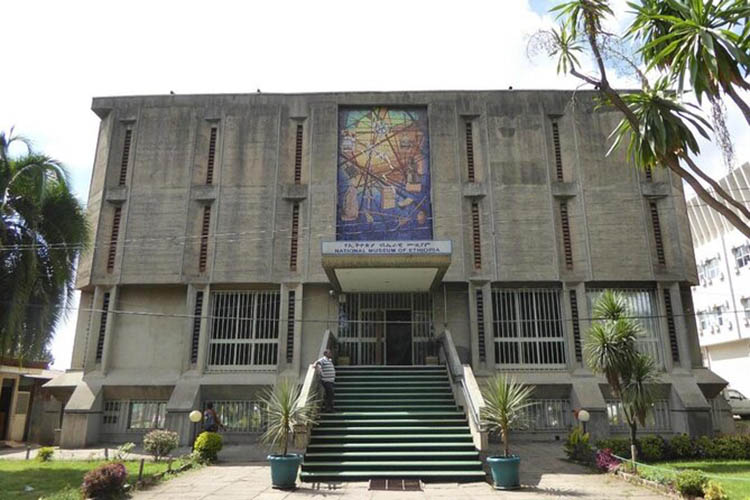
The National Museum of Ethiopia is a cultural treasure house that reveals the depth and richness of the country’s heritage. It is most famous for housing Lucy known locally as Dinknesh the world-renowned 3.2-million-year-old hominid fossil that forever changed the story of human origins.
But the museum’s significance stretches far beyond this iconic discovery. Visitors can explore prehistoric tools, ancient sculptures, royal artifacts, and traditional items representing Ethiopia’s diverse ethnic groups. The museum also hosts an extensive art collection, from centuries-old religious icons to contemporary paintings that capture modern Ethiopian life.
Holy Trinity Cathedral
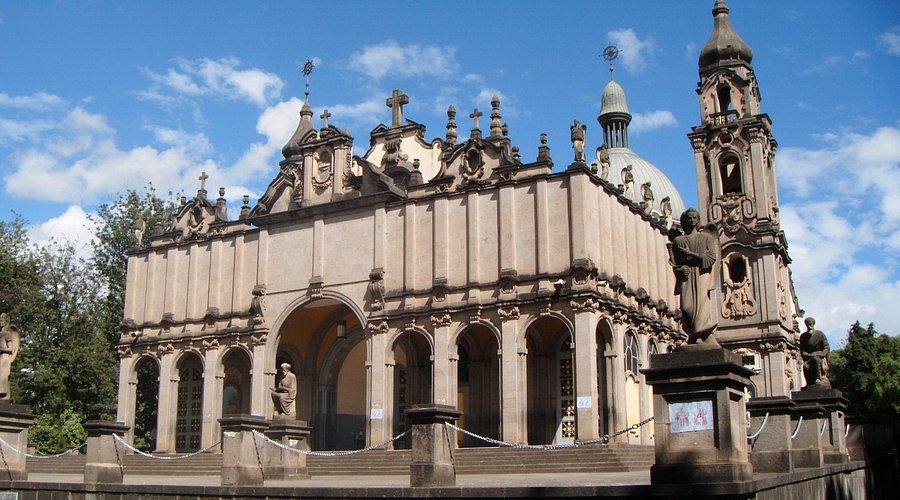
Holy Trinity Cathedral is one of Ethiopia's most revered religious sites and a powerful symbol of resilience. Constructed to honor the country’s triumph over Italian occupation, the cathedral holds profound national importance.
Its interior combines Ethiopian and European architectural styles, illuminated by towering stained-glass windows depicting biblical scenes and defining moments in Ethiopia’s modern history. The cathedral is also the final resting place of Emperor Haile Selassie I and Empress Menen Asfaw, making it a pilgrimage site for both Orthodox Christians and admirers of Ethiopia’s imperial legacy.
Entoto Hills & Entoto Maryam Church
Rising above Addis Ababa, the Entoto Hills offer cool mountain air, sweeping city views, and tranquil eucalyptus forests. Historically, this region served as the first capital of modern Ethiopia under Emperor Menelik II, who later moved his seat to the lower plains giving rise to present-day Addis Ababa.
Visitors can explore Entoto Maryam Church, one of the region’s oldest and most spiritually important churches. Nearby lies Menelik II’s original palace, a humble yet fascinating reminder of Ethiopia's imperial beginnings. The area also hosts the Entoto Observatory and Research Center, adding a modern scientific touch to its cultural and historical charm.

Unity Park
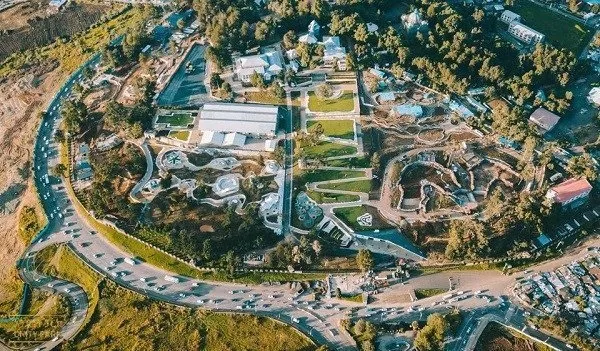
Unity Park, located within the historic Grand Palace compound, is a landmark project that brings Ethiopia’s imperial heritage to life in a modern and accessible way. Spanning several hectares, the park features meticulously restored palaces, botanical gardens, a well-maintained zoo, cultural pavilions, and historical museums.
Visitors can walk through Menelik II’s restored palace rooms, admire royal regalia, explore centuries-old manuscripts, and learn about Ethiopia’s rich traditions from various regions. The park’s design blends history with contemporary landscapes, offering serene spaces for families, travelers, and history enthusiasts.
Merkato (Addis Mercato)
Addis Mercato—often simply called Merkato—is one of Africa’s largest and liveliest open-air markets. This sprawling maze of energy and color spans several square kilometers, making it a vibrant showcase of Ethiopia’s everyday life.
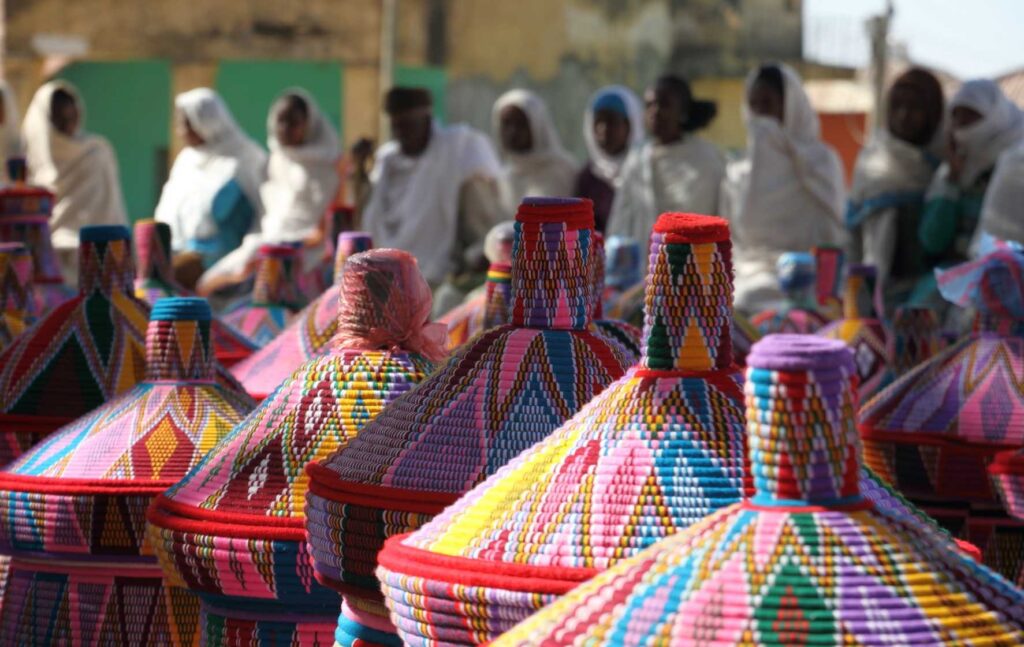
Here you’ll find sections dedicated to spices, coffee beans, woven baskets, ceramics, textiles, electronics, traditional incense, and everything in between. The constant movement of traders, shoppers, and street vendors creates a fascinating rhythm that captivates visitors from the moment they enter.
St. George Cathedral
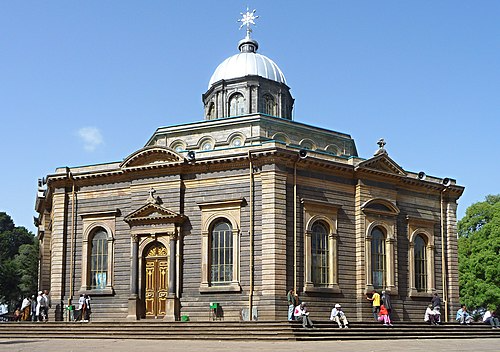
St. George Cathedral is one of Addis Ababa’s most iconic religious and historical landmarks. Built in 1896 to commemorate Ethiopia’s victory over Italian forces at the Battle of Adwa, the cathedral holds immense cultural significance.
The octagonal structure is dedicated to Saint George, Ethiopia’s patron saint, and features beautiful artwork, colorful frescoes, and an on-site museum filled with religious manuscripts, royal garments, and treasures of the Ethiopian Orthodox Church.
Ethnological Museum (Institute of Ethiopian Studies)
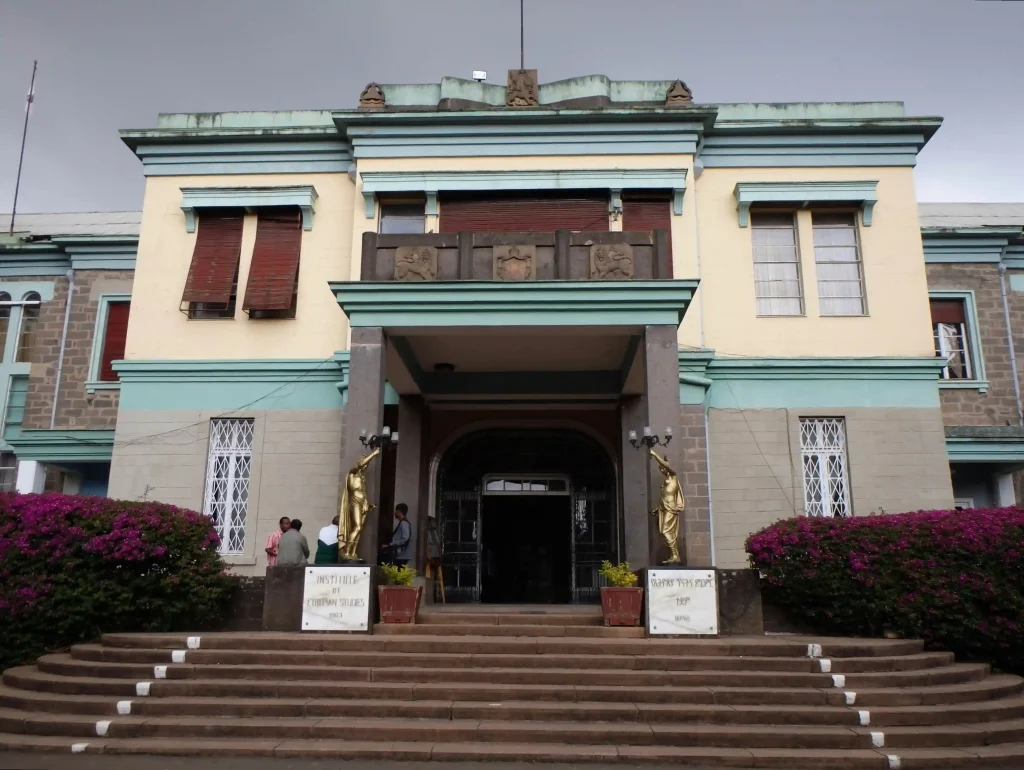
Located within the former palace of Emperor Haile Selassie at Addis Ababa University, the Ethnological Museum offers a deep and thoughtful exploration of Ethiopia’s diverse cultures. The museum showcases traditional lifestyles, household objects, clothing, musical instruments, and spiritual practices from across the country’s many ethnic groups. One of its most striking features is the preserved bedroom of Emperor Haile Selassie, which provides a rare personal glimpse into Ethiopia’s modern imperial history. The museum’s peaceful campus setting also makes it an ideal place for reflection and learning.
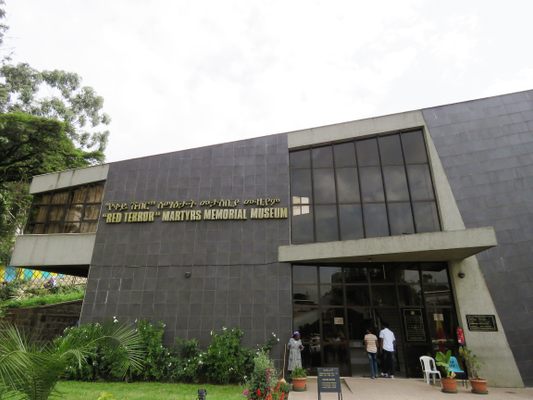
Red Terror Martyrs Memorial Museum
The Red Terror Martyrs Memorial Museum stands as a solemn reminder of one of the most painful periods in Ethiopia’s modern history. Dedicated to the victims of the Red Terror era (1974–1978), the museum documents human rights abuses through photographs, personal testimonies, artifacts, and historical records. While emotionally intense, the experience is deeply educational and meaningful, offering visitors insight into Ethiopia’s struggle, resilience, and journey toward reconciliation.
Shiro Meda Market
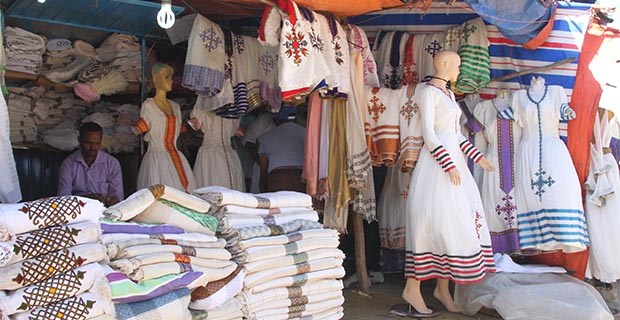
Shiro Meda is the best place in Addis Ababa to experience traditional Ethiopian clothing and crafts. The market is famous for its colorful handwoven garments, including habesha kemis, shawls, scarves, and embroidered fabrics. Visitors can watch artisans at work, browse handmade jewelry and souvenirs, and interact with friendly local vendors. It’s an excellent stop for cultural shopping and authentic gifts.