Around Addis

Debre Libanos Monastery

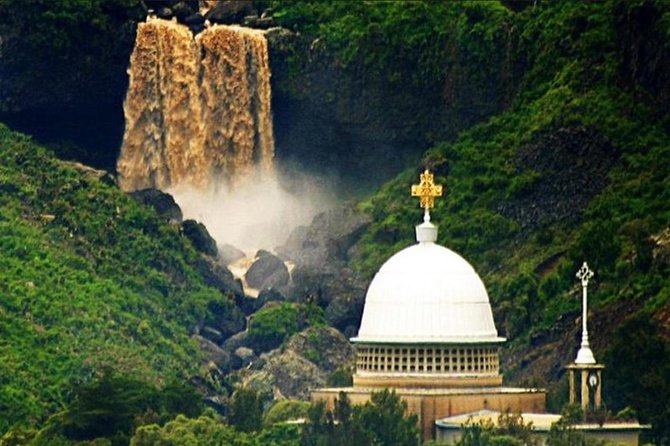
Debre Libanos Monastery, located roughly 110 kilometers north of Addis Ababa, stands as one of Ethiopia’s most significant religious centers. Founded in the 13th century by Saint Tekle Haymanot, the site blends deep spiritual meaning with striking natural scenery. Nestled between towering cliffs and lush green valleys, the monastery offers a peaceful retreat for pilgrims and travelers alike. A short walk leads you to the historic Portuguese Bridge, perched dramatically above the Jemma River Gorge. From here, you can take in sweeping views of rugged landscapes, cascading waterfalls, and soaring birds of prey. The surrounding area is also home to wildlife, including the endemic Gelada baboons.

Adadi Mariam Rock-Hewn Church

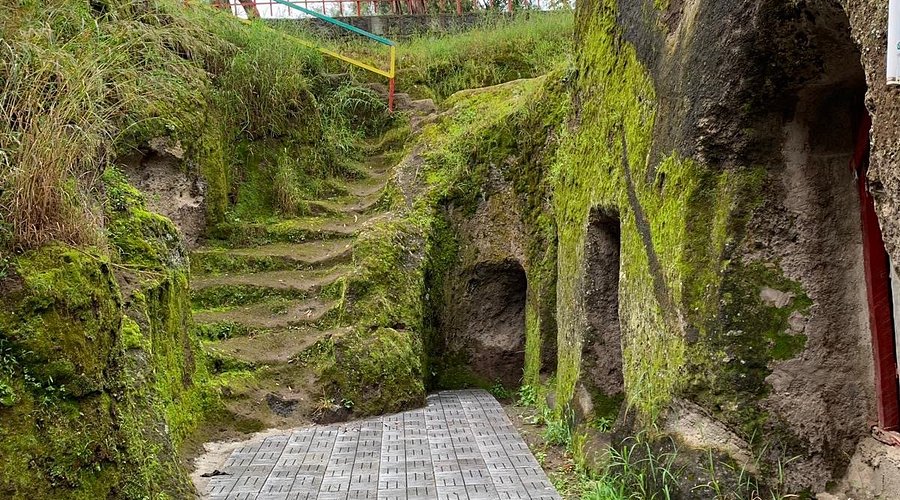
Adadi Mariam is one of Ethiopia’s most captivating rock-hewn churches, carved directly from volcanic stone about 70 kilometers south of Addis Ababa. Dating back to the 13th century and linked to the era of King Lalibela, the church is often regarded as the southern counterpart to Lalibela’s renowned monolithic masterpieces. Unlike the busy pilgrimage routes of northern Ethiopia, Adadi Mariam retains a quiet, rural atmosphere that gives visitors an authentic experience of traditional Orthodox life.

Tiya Stelae Field

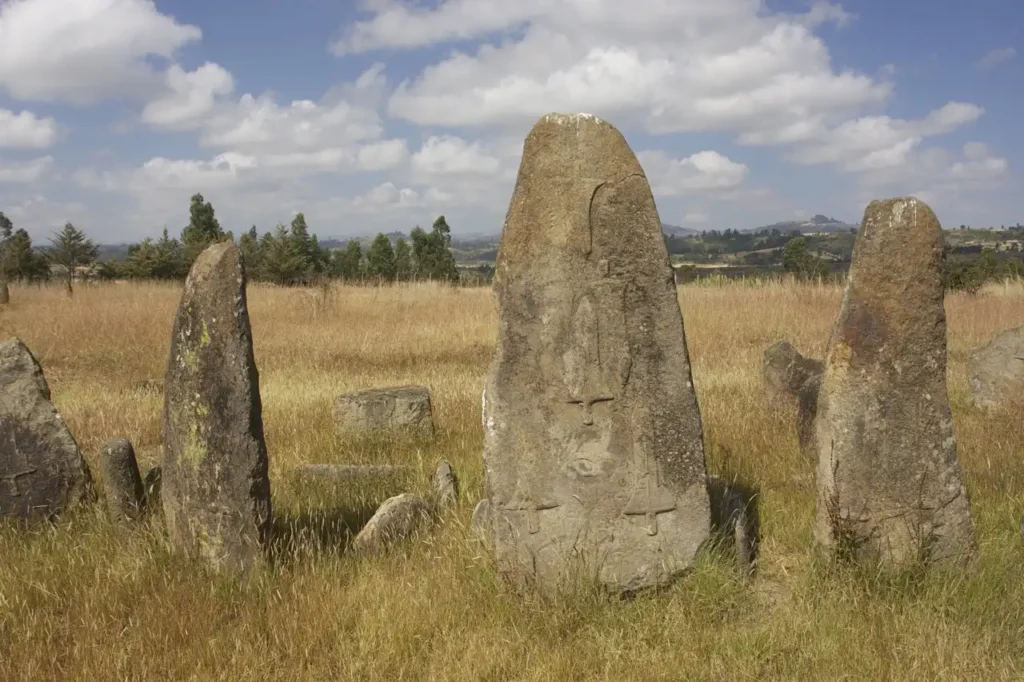
The Tiya Stelae Field, about 85 kilometers south of the capital, is a UNESCO World Heritage Site that continues to intrigue archaeologists and visitors alike. The site features more than 40 upright stone monoliths, each bearing mysterious carvings swords, symbols, and geometric patterns whose meanings remain only partly understood. These stelae are believed to date from the 12th to 14th centuries and serve as ancient burial markers for a once-flourishing community. Walking among the stones feels like stepping into a silent chapter of Ethiopia’s early history, one where questions outnumber answers. The tranquil environment and cultural significance make Tiya an ideal destination for history lovers, researchers, and travelers drawn to Ethiopia’s ancient civilizations.

Wenchi Crater Lake

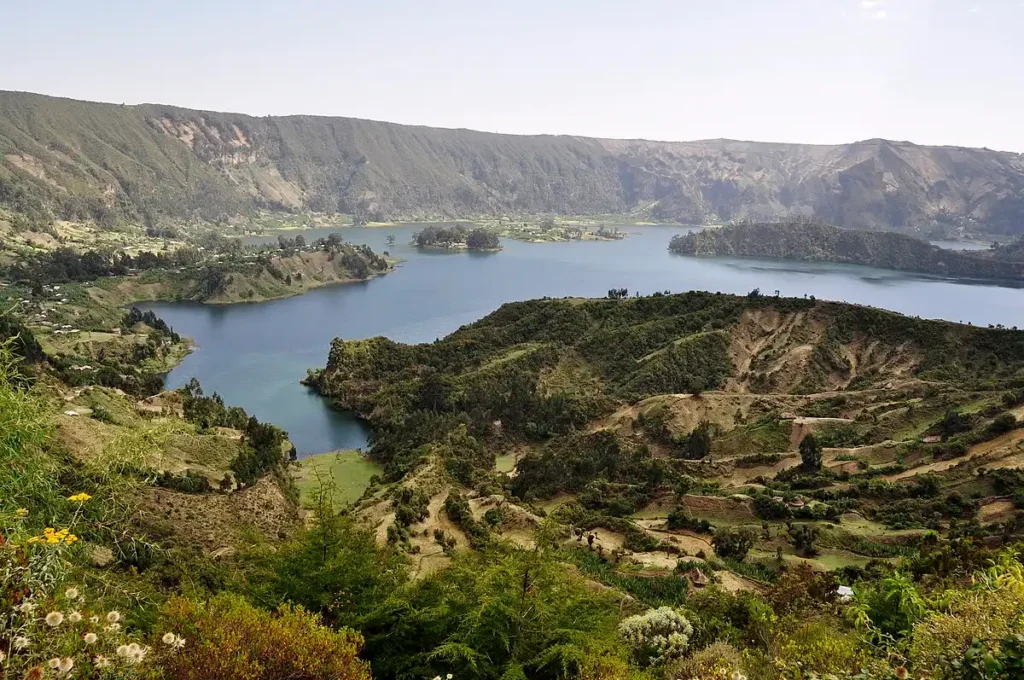
Wenchi Crater Lake, situated about 155 kilometers west of Addis Ababa, is one of Ethiopia’s most enchanting natural destinations. Formed within the caldera of an extinct volcano, the lake is surrounded by terraced farmland, rolling highland hills, and forests that create an idyllic escape from city life. Visitors can trek along scenic trails around the rim, ride horseback through local villages, or cross the serene waters by boat. One of the lake’s small islands hosts the centuries-old Cherkos Monastery, adding a touch of spiritual history to the area. With its clear air, dramatic views, and abundant birdlife, Wenchi is ideal for nature lovers, photographers, and anyone looking to immerse themselves in Ethiopia’s natural beauty.


Menagesha Suba Forest Park

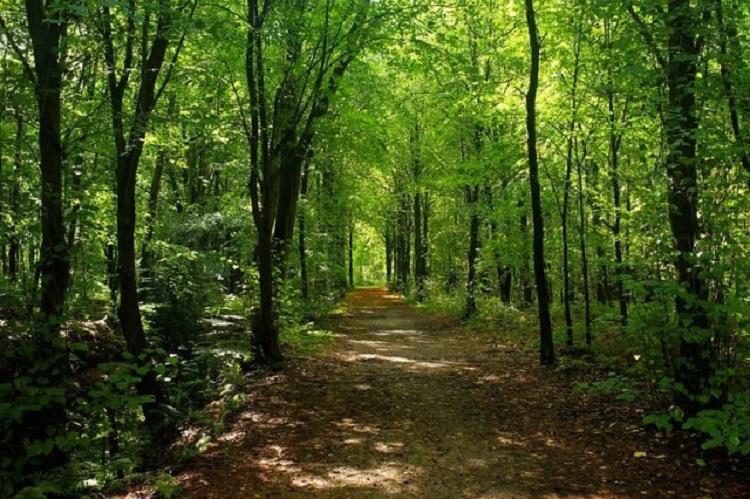
Menagesha Suba Forest Park lies about 30 kilometers west of Addis Ababa and is considered one of the oldest protected forests in Africa. Established in the 15th century during the reign of Emperor Zera Yacob, the forest preserves indigenous tree species and rich birdlife that have largely disappeared elsewhere in the region. Cool temperatures, shaded walking trails, and scenic viewpoints make it an ideal destination for hiking, birdwatching, and nature walks. The forest’s calm atmosphere offers a refreshing contrast to the busy capital.

Bishoftu (Debre Zeit) Crater Lakes

Located approximately 45 kilometers east of Addis Ababa, Bishoftu is renowned for its chain of volcanic crater lakes formed thousands of years ago. Lakes such as Hora, Babogaya, Kuriftu, and Bishoftu are surrounded by gentle hills, resort lodges, and lakeside cafés. The area is perfect for relaxing day trips, swimming, kayaking, and sunset walks along the water’s edge. Bishoftu’s pleasant climate and scenic beauty make it a popular weekend escape for both locals and visitors.

Melka Kunture Prehistoric Site

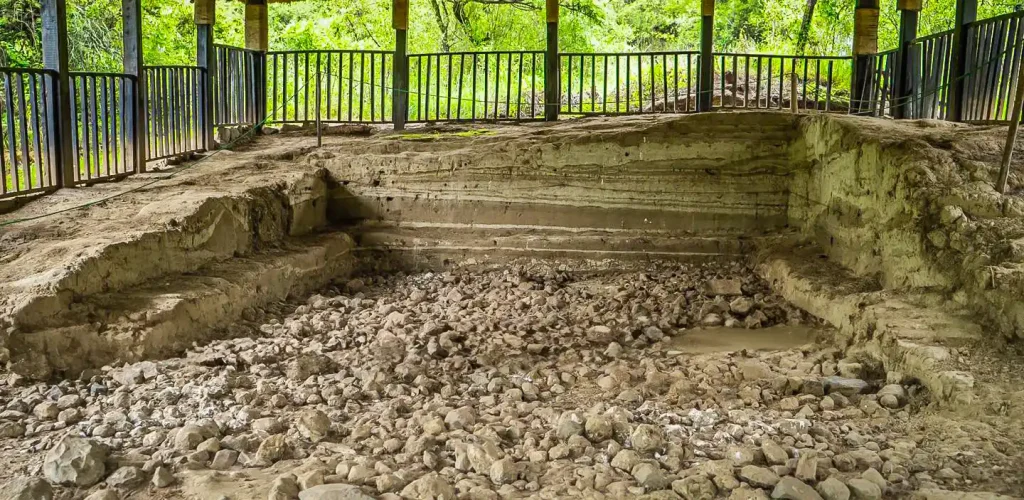
Melka Kunture, situated about 50 kilometers south of Addis Ababa along the Awash River, is one of Ethiopia’s most important archaeological locations. The site contains ancient stone tools and fossil remains that date back over one million years, offering valuable insight into early human history. Visitors can explore open-air excavation areas and a small museum that explains the significance of the discoveries.
Translate »