
Tribes Of Omo
Hamar Tribe
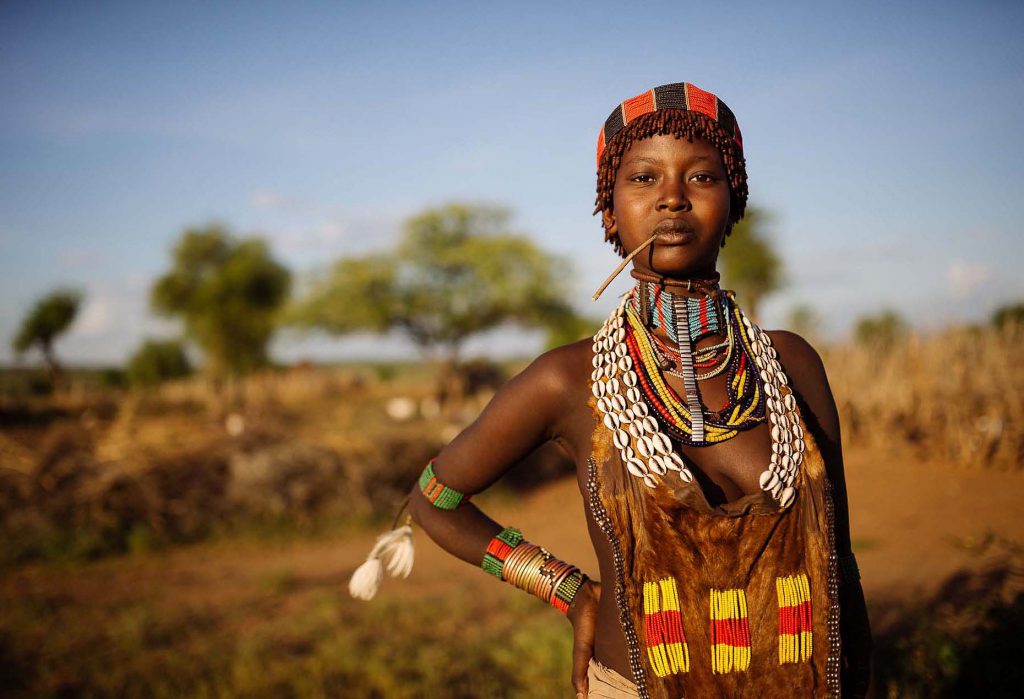
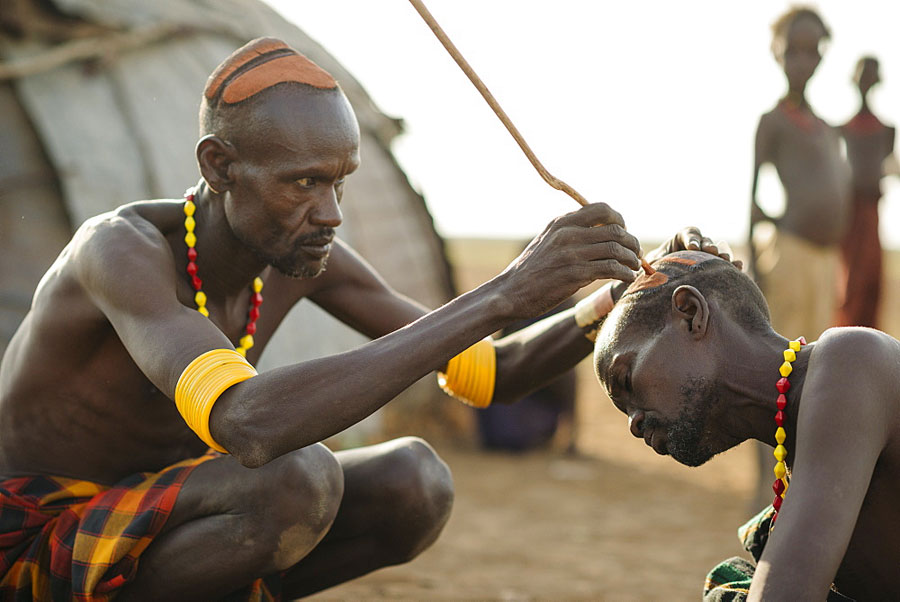
The Hamar people live in the Hamer woreda of the South Omo Zone. They are best known for their elaborate body adornment and traditional rituals, especially the bull-jumping ceremony, which is a rite of passage for young men. The women are often seen wearing goat-skin skirts adorned with cowries and beads, and they style their hair with a mixture of ochre and butter. Their strong sense of identity and beautifully preserved customs make them one of the most iconic tribes in Ethiopia. Visitors are often captivated by their warm hospitality and the rhythmic dances performed during ceremonies.
Mursi Tribe
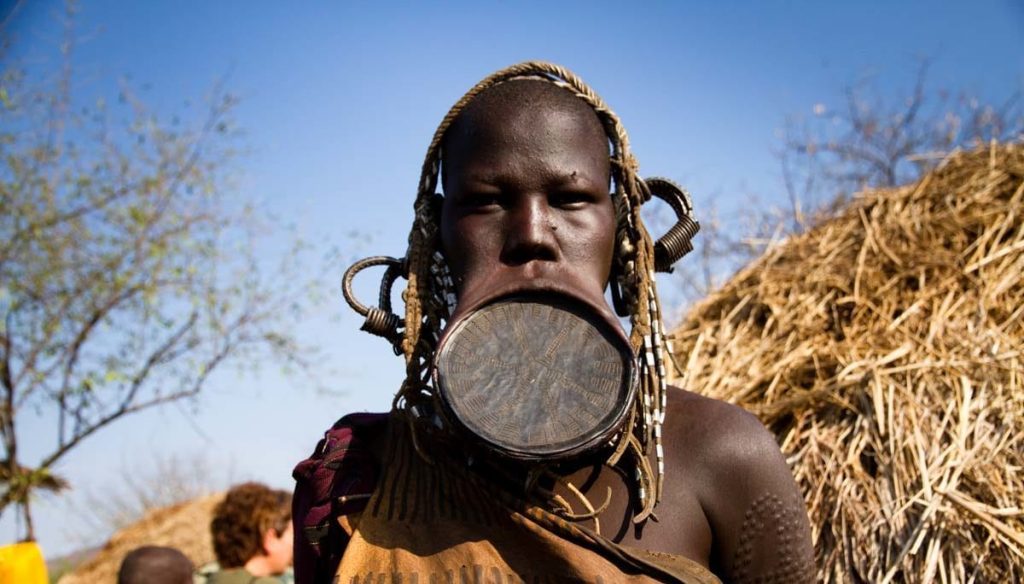
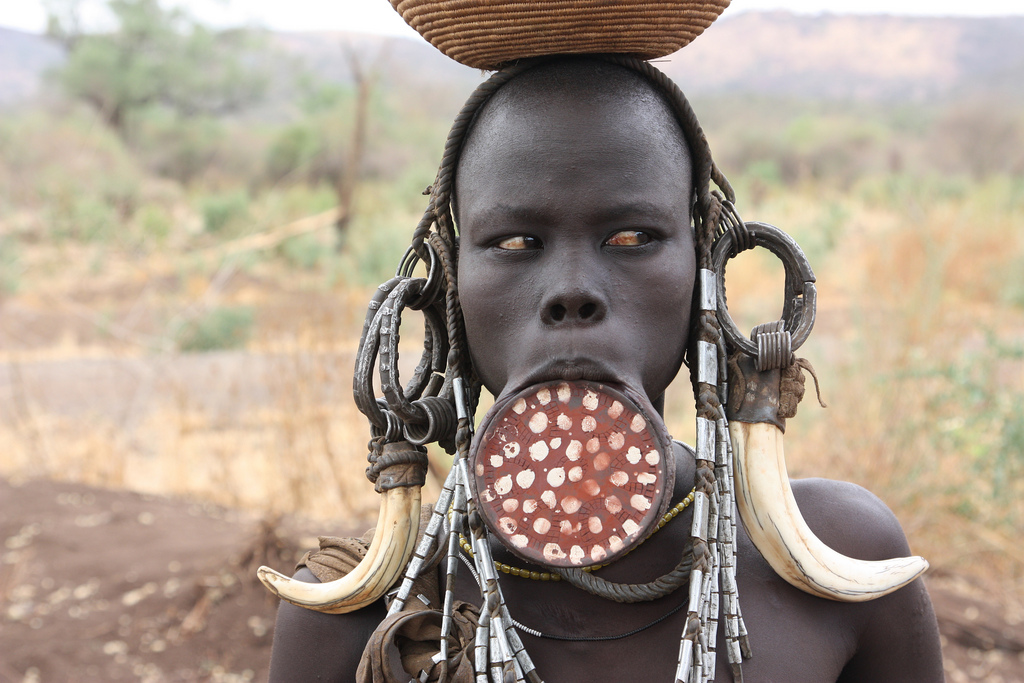
The Mursi are among the most photographed and talked-about tribes in the Omo Valley. Located in the Mago National Park, they are famous for the large clay lip plates worn by the women, symbolizing beauty and social status. Men are recognized for their body scarification and warrior culture. While the lip plates often catch tourists’ attention, the Mursi’s traditions are far richer than appearance alone. They practice pastoralism and have a unique set of cultural values that continue to survive in isolation, maintaining a way of life that has remained relatively unchanged for generations.
Karo Tribe
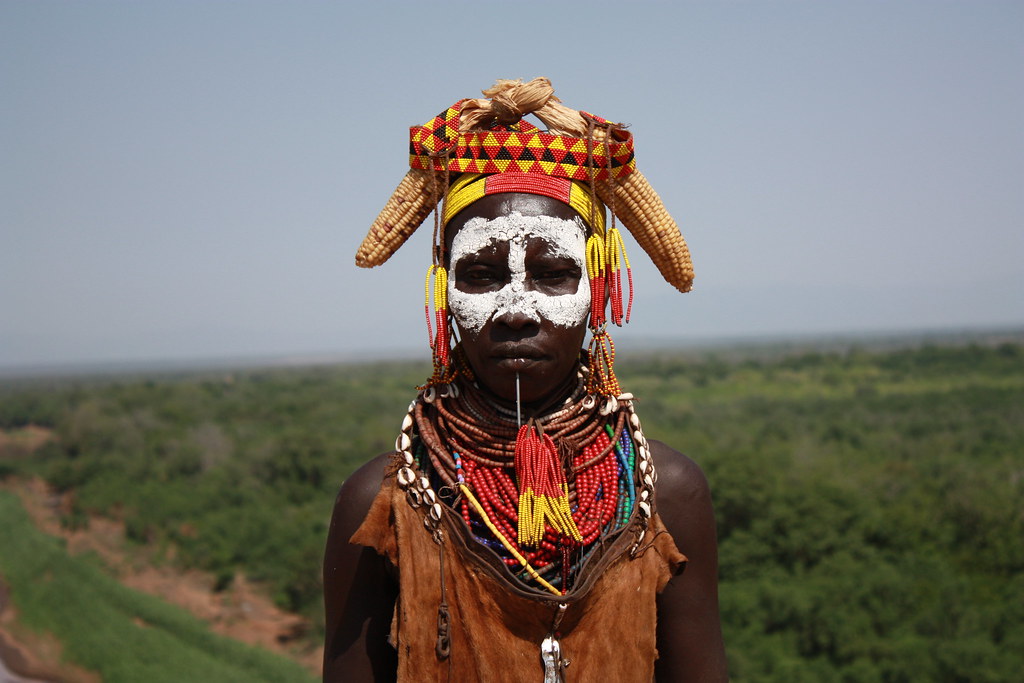
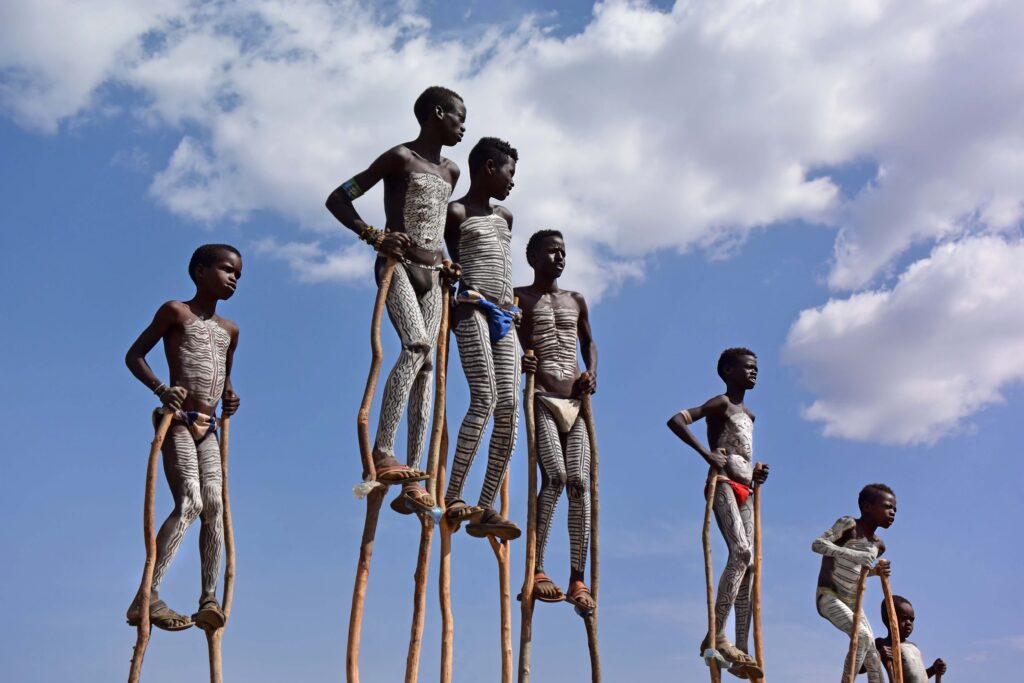
Living along the eastern banks of the Omo River, the Karo are a small but visually striking tribe. They are known for their exquisite body painting using natural white chalk and red ochre, which they apply in intricate patterns for ceremonial and festive occasions. Unlike other larger tribes, the Karo focus less on cattle and more on agriculture and fishing. Their small population and artistic traditions give visitors an intimate glimpse into an endangered way of life that is both peaceful and highly expressive.
Dassanech Tribe
The Mursi are among the most photographed and talked-about tribes in the Omo Valley. Located in the Mago National Park, they are famous for the large clay lip plates worn by the women, symbolizing beauty and social status. Men are recognized for their body scarification and warrior culture. While the lip plates often catch tourists’ attention, the Mursi’s traditions are far richer than appearance alone. They practice pastoralism and have a unique set of cultural values that continue to survive in isolation, maintaining a way of life that has remained relatively unchanged for generations.
Banna Tribe
Closely related to the Hamar, the Banna people are semi-nomadic and live in the highlands between Jinka and Turmi. Like their Hamar relatives, they are known for body decorations, traditional clothing, and ceremonial customs. They regularly visit nearby market towns, giving travelers opportunities to engage with them more casually. Banna villages are often surrounded by scenic landscapes, making them a perfect stop for visitors interested in both cultural immersion and photography.
Arbore (Erbore) Tribe
The Mursi are among the most photographed and talked-about tribes in the Omo Valley. Located in the Mago National Park, they are famous for the large clay lip plates worn by the women, symbolizing beauty and social status. Men are recognized for their body scarification and warrior culture. While the lip plates often catch tourists’ attention, the Mursi’s traditions are far richer than appearance alone. They practice pastoralism and have a unique set of cultural values that continue to survive in isolation, maintaining a way of life that has remained relatively unchanged for generations.
Tsemay (Tsamai) Tribe
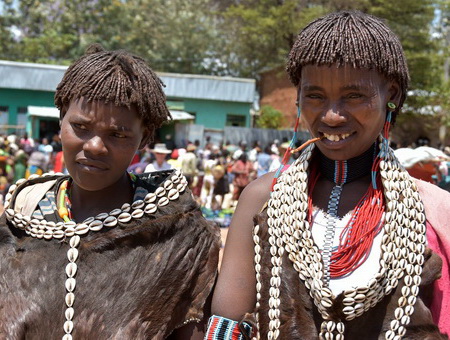
The Tsemay people live between Weyto and Konso areas and practice a semi-nomadic lifestyle. They are known for colorful beaded jewelry, metal ornaments, and distinctive hairstyles. Weekly markets attract Tsemay men and women dressed in traditional attire, making market visits a lively cultural experience. Their adaptability and strong clan traditions remain central to their identity.
Bodi (Me’en-Bodi) Tribe
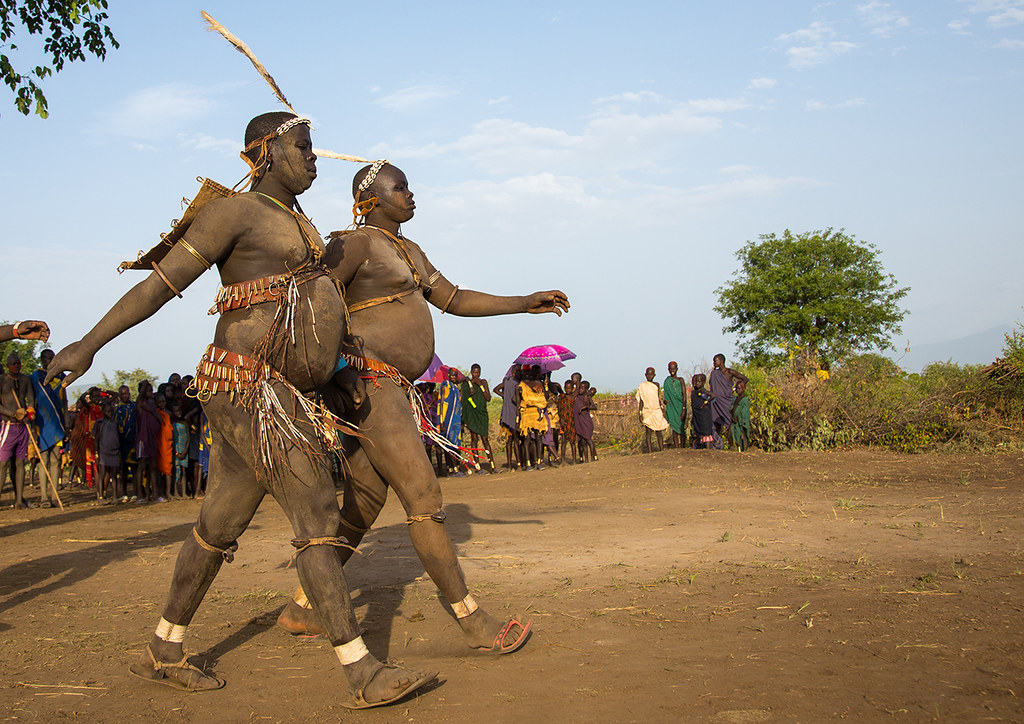
The Bodi, related to the Me’en, live in remote areas west of the Omo River. They are known for the Ka’el ceremony, where men intentionally gain weight in preparation for cultural celebrations. Body painting, ceremonial dances, and cattle rituals play a significant role in their society. Their isolation has helped preserve traditions that are rarely seen elsewhere.
Dorze People
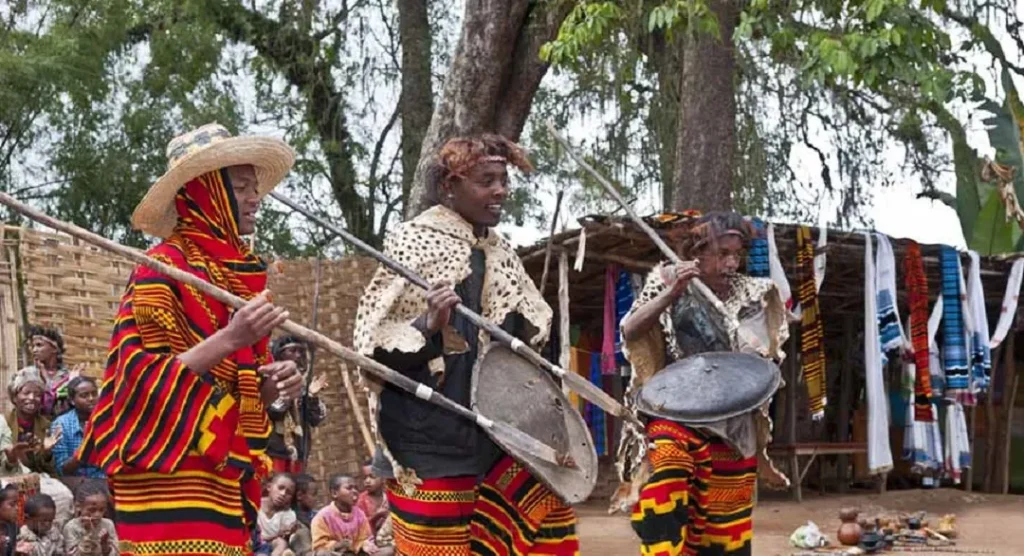
The Dorze people live in the highlands near Arba Minch in southern Ethiopia and are well known for their unique beehive-shaped bamboo houses, which can reach impressive heights. Traditionally skilled weavers, the Dorze are famous for producing high-quality cotton textiles that are widely used across Ethiopia. Their livelihood is based on farming crops such as enset (false banana), which plays a central role in their daily life and diet. The Dorze are admired for their cooperative community lifestyle, rich oral traditions, and ability to adapt their architecture and culture to the mountainous environment.
Konso People
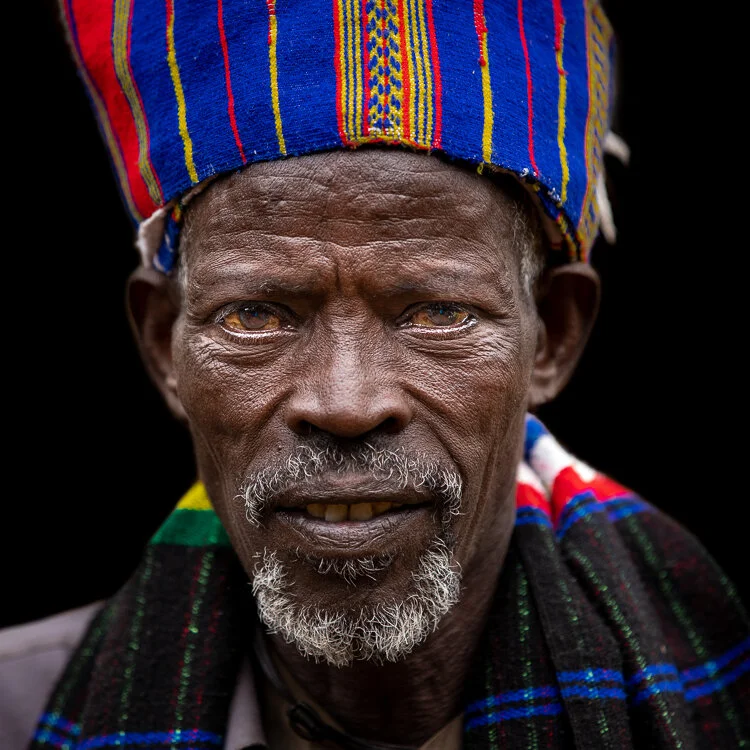
The Konso people inhabit the Konso highlands in southern Ethiopia and are internationally recognized for their ancient terraced farming system, a UNESCO World Heritage Site. Their stone-walled terraces demonstrate exceptional indigenous knowledge of soil and water conservation. The Konso are also known for their fortified villages and carved wooden statues called waka, which honor respected leaders and heroes. With a strong social structure and deep respect for tradition, the Konso have preserved a distinctive culture shaped by centuries of environmental stewardship and community organization.
Nyangatom People
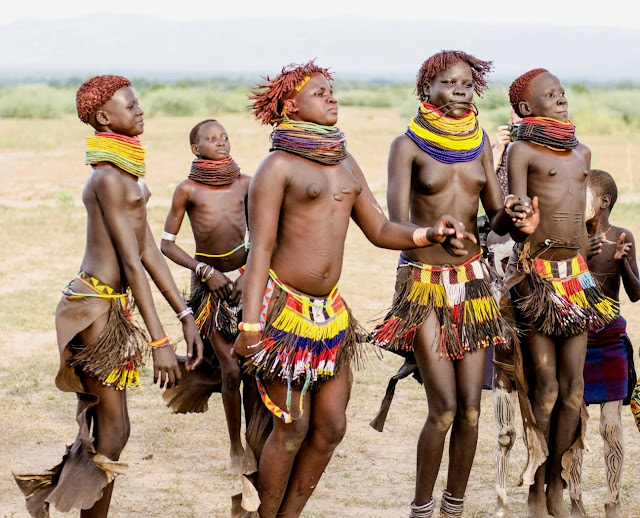
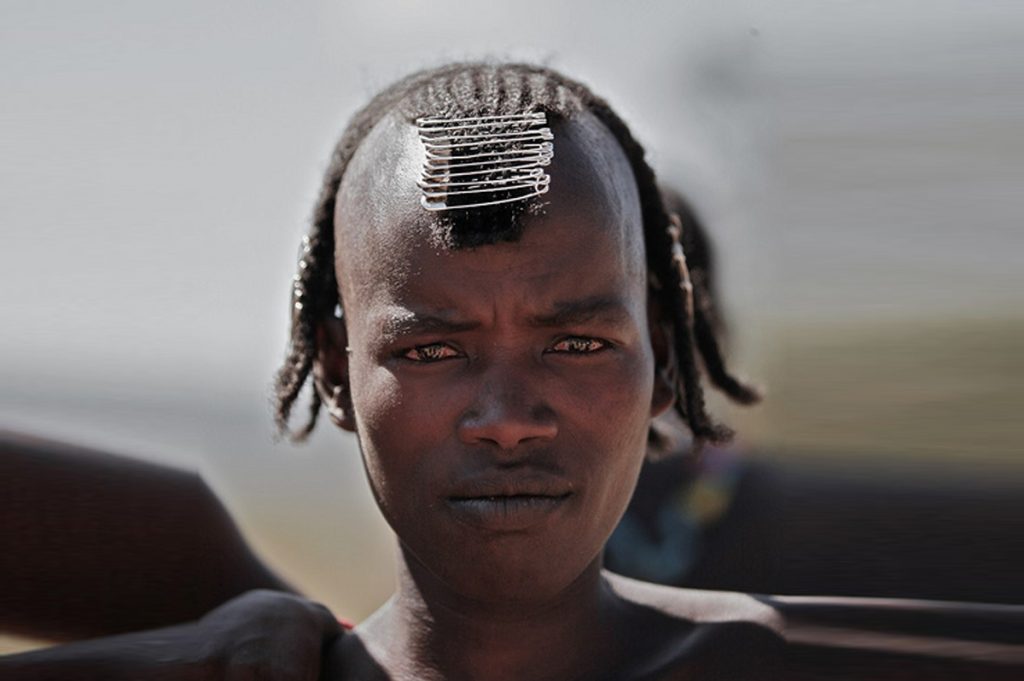
The Nyangatom people live in the remote areas of the Lower Omo Valley near the borders of Ethiopia, Kenya, and South Sudan. Their way of life is closely tied to cattle herding, which plays a central role in their economy, social status, and cultural identity. Known for their colorful beadwork and hairstyles, Nyangatom women often decorate themselves with metal beads and recycled materials, reflecting creativity and resilience. Despite living in a harsh environment, the Nyangatom maintain strong communal bonds and rich ceremonial traditions that highlight courage, survival, and unity.
Ari People
The Ari people are one of the largest ethnic groups in the South Omo Zone and live mainly in fertile highland areas around Jinka. Unlike some neighboring pastoralist tribes, the Ari practice settled agriculture and are known for their craftsmanship, including pottery, metalwork, and wood carving. Their villages are surrounded by cultivated fields, and their lifestyle reflects a close connection to the land. The Ari are respected for their hardworking nature, cultural diversity, and important role in regional trade and agriculture.
Surma (Suri) People
The Surma, also known as the Suri, live in the remote southwestern lowlands of Ethiopia near the border with South Sudan. They are widely known for their striking body art, ceremonial face painting, and the use of lip plates among women, which symbolize beauty and social status. The Surma are also famous for donga stick fighting, a traditional competitive sport practiced by young men. Fiercely independent and deeply rooted in tradition, the Surma maintain a strong cultural identity that continues to intrigue visitors seeking authentic and powerful cultural encounters.