

Historical Attractions
Lalibela
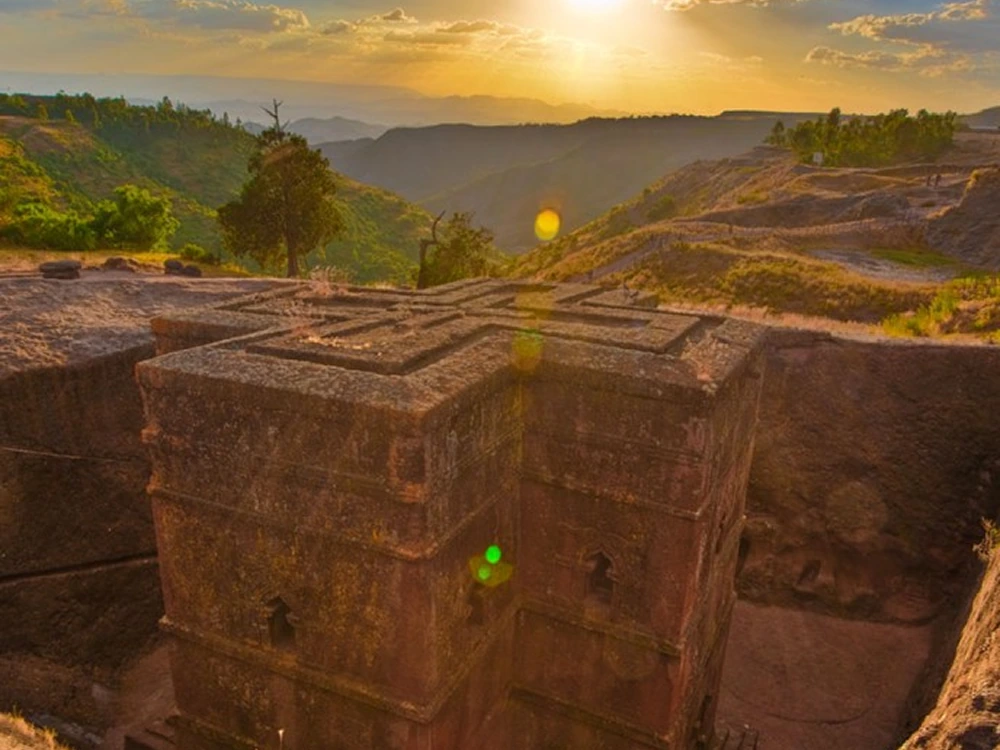
Lalibela is one of the most spiritually significant and visually striking destinations in all of Africa. Carved entirely from solid volcanic rock in the 12th century, the eleven medieval churches of Lalibela stand as a testament to ancient Ethiopian engineering, devotion, and culture. These UNESCO World Heritage-listed structures were commissioned by King Lalibela as a symbolic "New Jerusalem" for Ethiopian Christians.
Each church is uniquely designed and connected through a network of narrow passageways and tunnels, offering visitors a deeply immersive historical experience. Pilgrims still worship here today, creating a rare fusion of living heritage and ancient architecture. With its blend of religious depth, architectural genius, and surrounding highland landscapes, Lalibela is a must-see for travelers seeking to explore Ethiopia’s rich spiritual history.
Axum
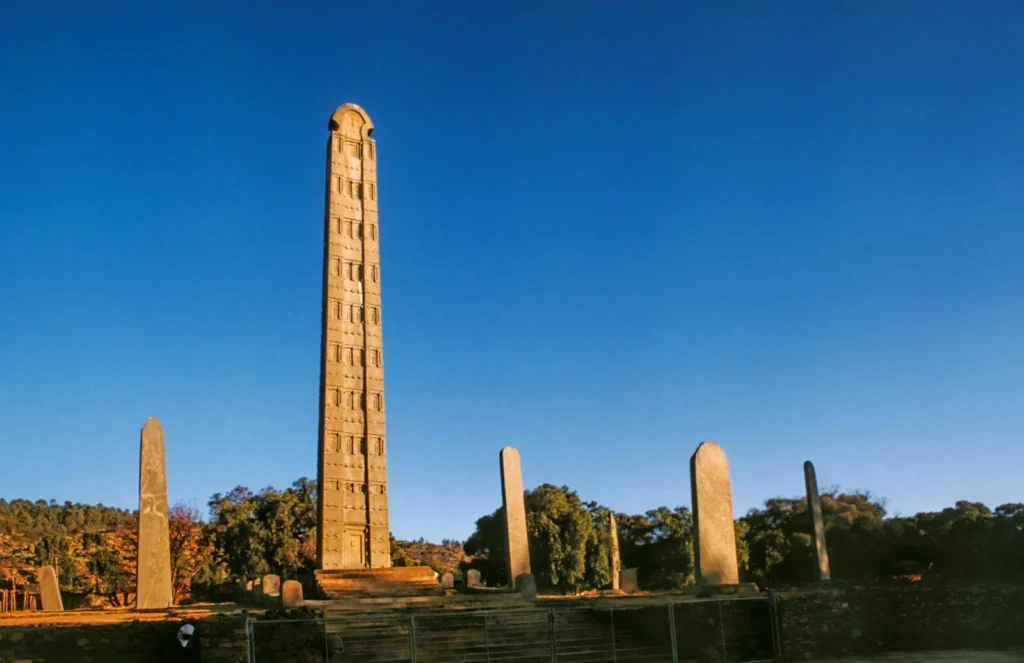
Axum was once the capital of the powerful Axumite Empire, a kingdom that thrived between the 1st and 8th centuries AD and was known as one of the greatest civilizations of the ancient world. Today, Axum is a treasure trove of archaeological wonders, including giant obelisks (stelae), royal tombs, ancient palaces, and early Christian relics.
According to Ethiopian tradition, Axum is also the final resting place of the Ark of the Covenant, housed within the Chapel of the Tablet at the Church of St. Mary of Zion. As the birthplace of Ethiopian Christianity and a center of trade and power in antiquity, Axum offers a deep and fascinating insight into the roots of Ethiopia’s culture, religion, and legacy.
Gondar
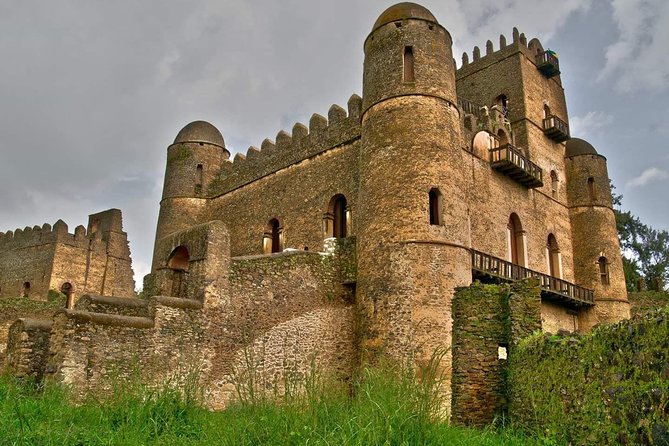
Often referred to as the “Camelot of Africa,” Gondar was the imperial capital of Ethiopia during the 17th and 18th centuries and is renowned for its impressive royal architecture. The city’s centerpiece is the Royal Enclosure (Fasil Ghebbi), a walled compound filled with castles, palaces, and churches built by Emperor Fasilides and his successors.
Gondar is also home to the beautiful Debre Berhan Selassie Church, famous for its richly painted ceilings and preserved religious murals. With its blend of Ethiopian, Portuguese, Indian, and Moorish architectural influences, Gondar reflects a period of Ethiopian history marked by cultural fusion, religious tolerance, and royal grandeur. It’s an essential stop for travelers interested in Ethiopia’s imperial past.
Yeha
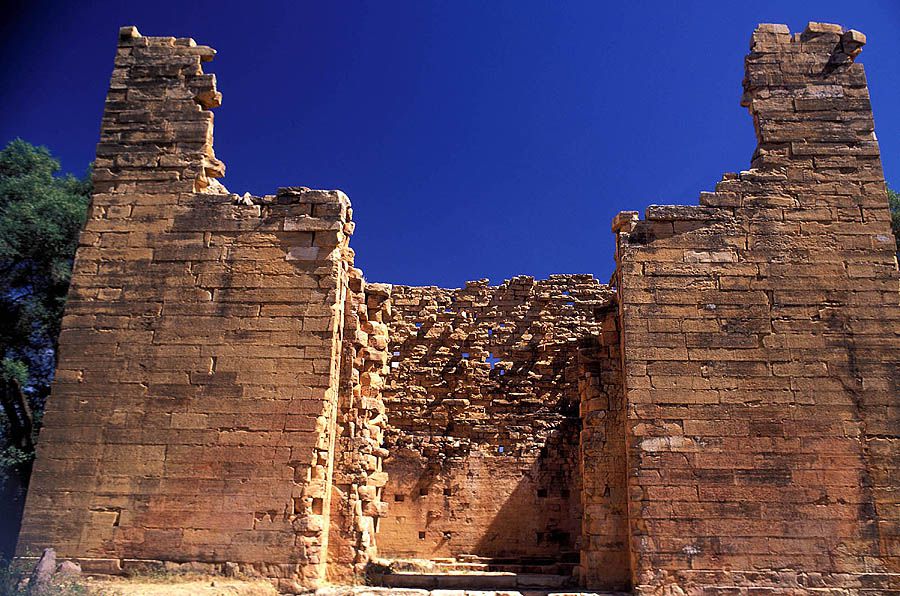
Yeha is considered the oldest known city in Ethiopia and dates back to around the 8th century BC. The standout attraction here is the Temple of Yeha, a towering pre-Axumite stone structure believed to have been dedicated to a Sabean god. Built without mortar, the temple’s stones are remarkably well-fitted and remain standing after more than 2,500 years.
Visiting Yeha offers a glimpse into Ethiopia’s earliest civilizations and its connections to ancient South Arabian cultures. The nearby monastery, built later during the spread of Christianity, adds another historical layer to the region. For history buffs and archaeology enthusiasts, Yeha provides a rare look at Ethiopia’s deep and mysterious past.
Harar Jugol
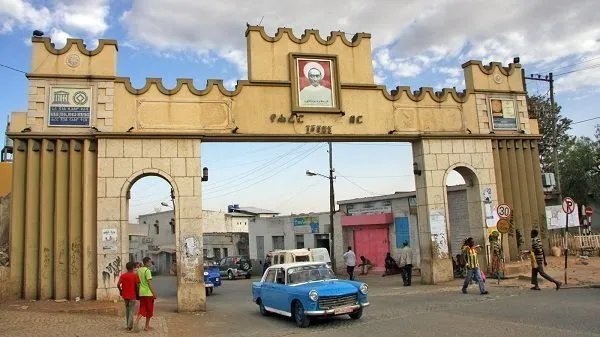
Harar is considered the fourth holiest city in Islam and is one of the most culturally vibrant places in Ethiopia. The old city, known as Harar Jugol, is surrounded by ancient walls and packed with over 80 mosques, hundreds of shrines, narrow alleyways, and colorful markets.
Founded between the 7th and 11th centuries, Harar has long been a center of Islamic learning and trade in the Horn of Africa. The city’s distinct architecture, traditional homes, and centuries-old rituals, like the evening hyena feeding, make it unlike any other destination in Ethiopia. Harar is not only a UNESCO World Heritage Site but also a living museum of faith, tradition, and multiethnic harmony.
Gheralta (Garaalta) Rock-Hewn Churches
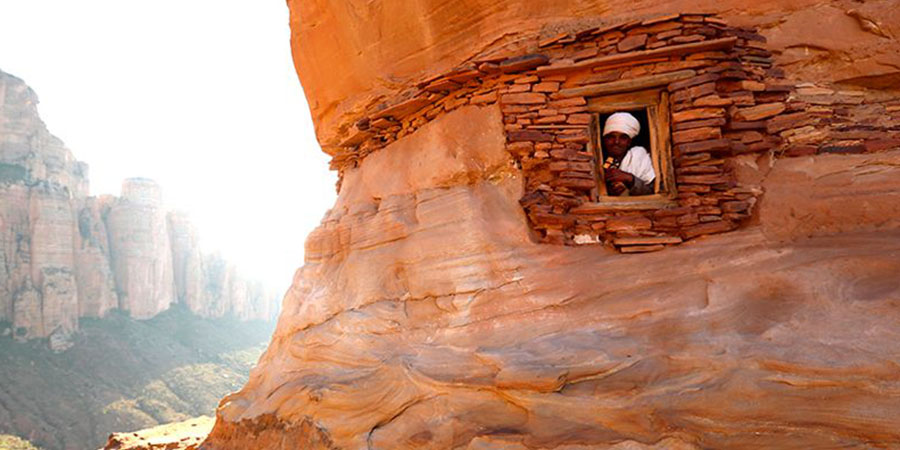
The Gheralta region, located in the Tigray highlands of northern Ethiopia, is renowned for its dramatic sandstone mountains and ancient rock-hewn churches. Many of these churches are carved high into cliff faces and require adventurous climbs to reach, rewarding visitors with breathtaking views and a sense of spiritual isolation. Dating back to the early centuries of Christianity, the churches are decorated with well-preserved wall paintings, ancient manuscripts, and religious artifacts. Gheralta offers a powerful blend of history, faith, and striking natural scenery.
Island Monasteries of Lake Tana
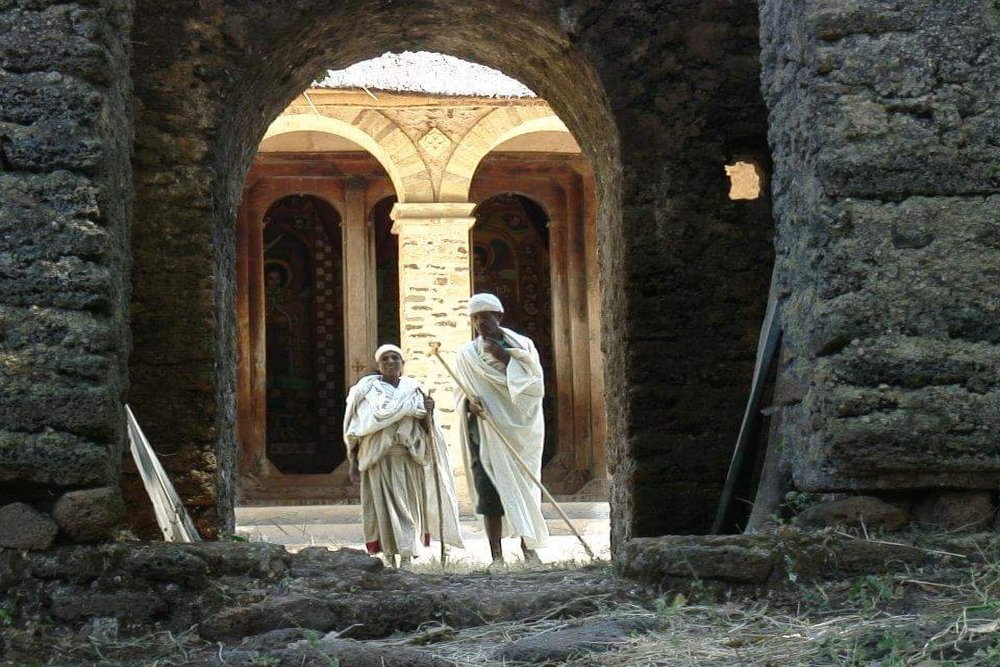
The island monasteries of Lake Tana, Ethiopia’s largest lake and the source of the Blue Nile, are among the country’s most important religious and historical sites. Scattered across forested islands and peninsulas, these monasteries date back as early as the 14th century. They house priceless treasures, including illuminated manuscripts, crowns of Ethiopian emperors, and sacred icons. Accessible by traditional boat, the monasteries provide a peaceful journey into Ethiopia’s Orthodox Christian heritage and centuries-old monastic life.
Dire Sheikh Hussein
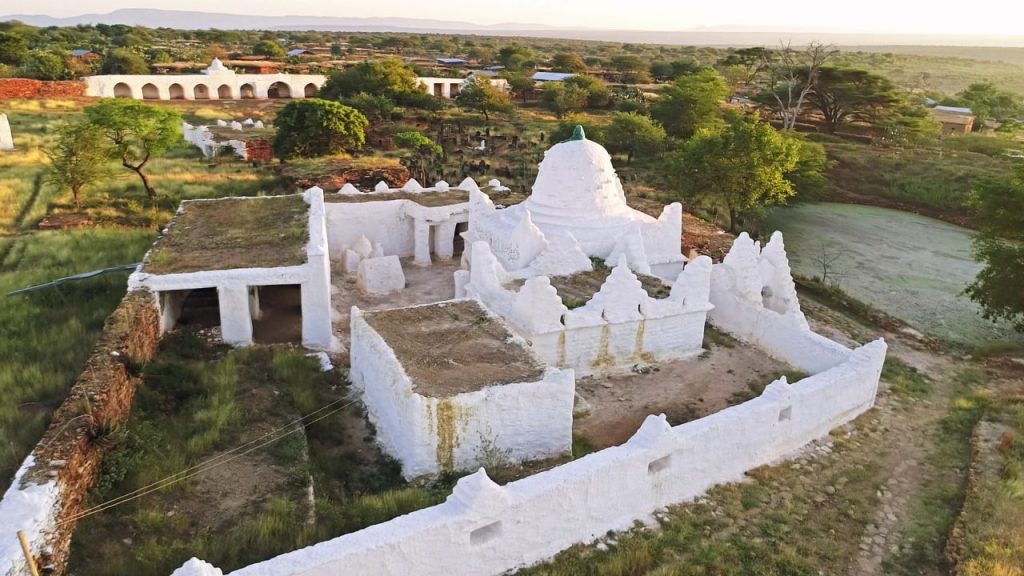
Dire Sheikh Hussein is one of the most sacred Islamic pilgrimage sites in Ethiopia, located in southeastern Ethiopia. It is associated with Sheikh Hussein, a highly revered Islamic scholar and saint whose teachings spread Islam throughout the region. The site features white-domed shrines, ancient stone structures, and ceremonial gathering spaces. Each year, thousands of pilgrims travel to Dire Sheikh Hussein to seek blessings and spiritual healing, making it a powerful symbol of Ethiopia’s deep Islamic heritage and religious harmony.