

Why Ethiopia
WHY ETHIOPIA
Ethiopia is the birthplace of humanity, where Homo sapiens first evolved and the earliest stone tools were
discovered near Malka Kunture in southern Ethiopia. It was also the capital of one of the world’s five great
ancient empires.
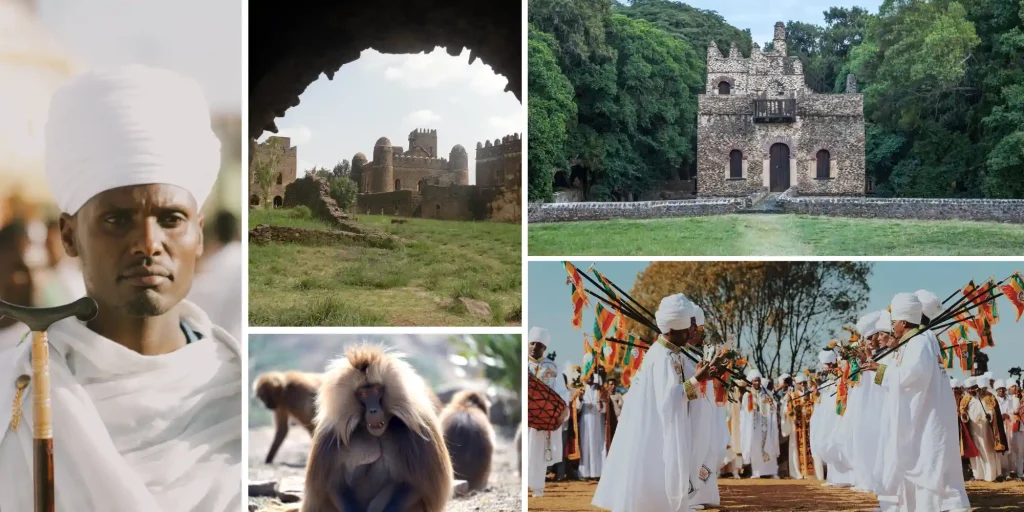
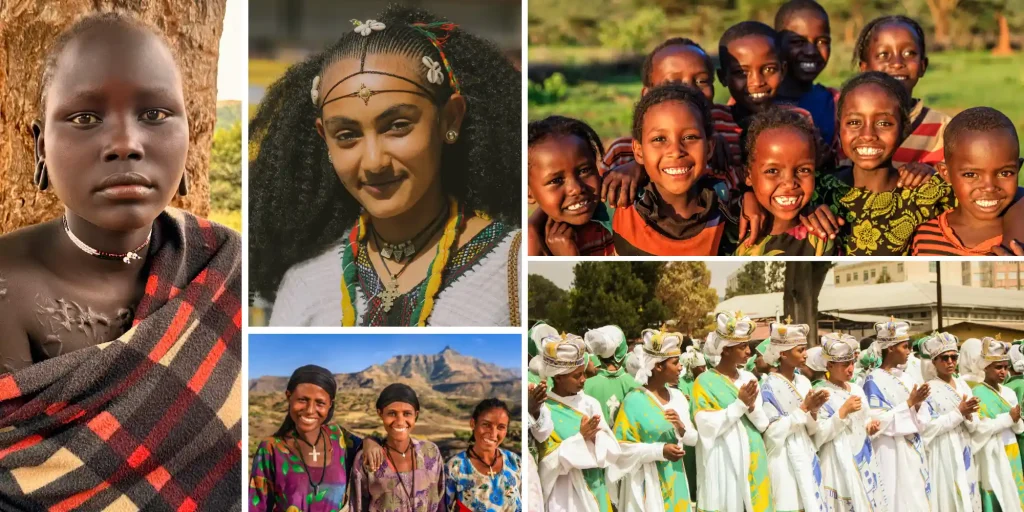
The country is a true melting pot of peoples, with rich ethnic and linguistic diversity, and it is the only
African nation with its own ancient alphabet. Ethiopia is also known for one of the Bible’s greatest
mysteries, the Ark of the Covenant, believed to have been brought to Ethiopia after disappearing from
the Temple of Jerusalem, as described in Graham Hancock’s The Sign and the Seal.
Ethiopia was among the first countries to adopt Christianity in the fourth century and the first to
welcome Muslim migrants, reflecting a long tradition of religious tolerance. Its dramatic geological history
has created one of the most diverse landscapes in the world.
The country is home to 835 bird species, 33 of them endemic, more than 200 mammal species with 7
endemics, and over 7,000 indigenous plant species, about 150 endemic. Ethiopia is also the birthplace of
coffee, which still grows wild in the forests of Kaffa.
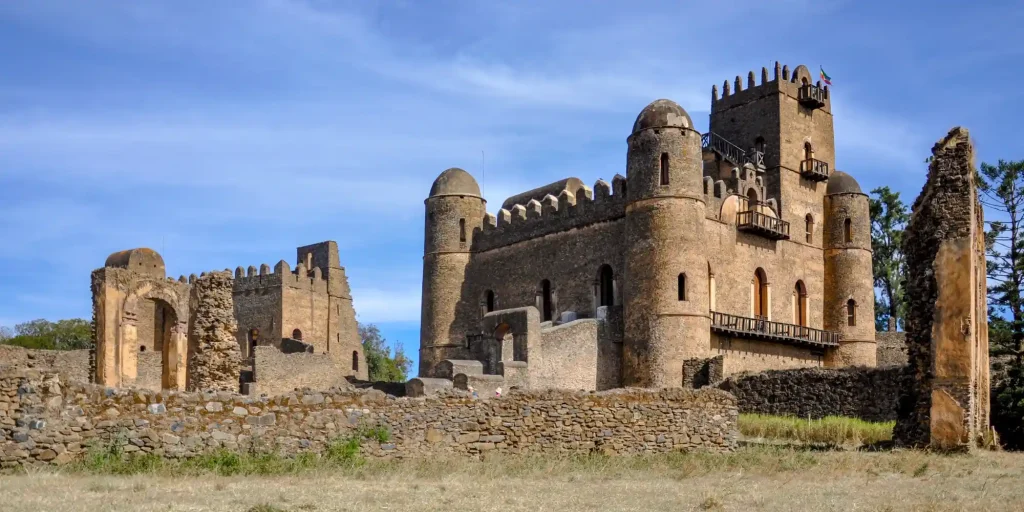
UNESCO World Heritage Sites,
With eight UNESCO World Heritage Sites, Ethiopia ranks first in Africa in number of heritage sites.
Tangible Heritage Sites
These are physical locations of "Outstanding Universal Value." Ethiopia has 10 Cultural sites and 2 Natural sites.
- Rock-Hewn Churches, Lalibela (1978)
- Fasil Ghebbi, Gondar (1979)
- Aksum (1980)
- Lower Valley of the Awash (1980)
- Lower Valley of the Omo (1980)
- Tiya (1980)
- Harar Jugol (2006)
- Konso Cultural Landscape (2011)
- The Gedeo Cultural Landscape (2023)
- Melka Kunture and Balchit (2024)
- Simien National Park (1978)
- Bale Mountains National Park (2023)
Intangible Cultural Heritage
These are "Living Heritages" traditions, social practices, and festive events that define Ethiopian identity.
- Meskel Festival (2013)
- Fichee-Chambalaalla (2015)
- Gada System (2016)
- Timkat / Ethiopian Epiphany (2019)
- Shuwalid Festival (2023)
- Xeer Ciise (2024)
- Gifaataa (2025)